A perfect trip… until it wasn’t
t was August of the year 2000. Before climbing to one of the most remote places on the planet, Jason Smith wrote a phrase that seemed like just a joke among friends:
"— Jason Smith, days before departureI don’t have to be able to run faster than terrorists armed with AK-47s, just faster than Beth
Dark humor. Camaraderie. Nothing out of the ordinary.
But days later, that phrase would stop being a joke. It would become one of the most unsettling premonitions of a true story of extreme survival.
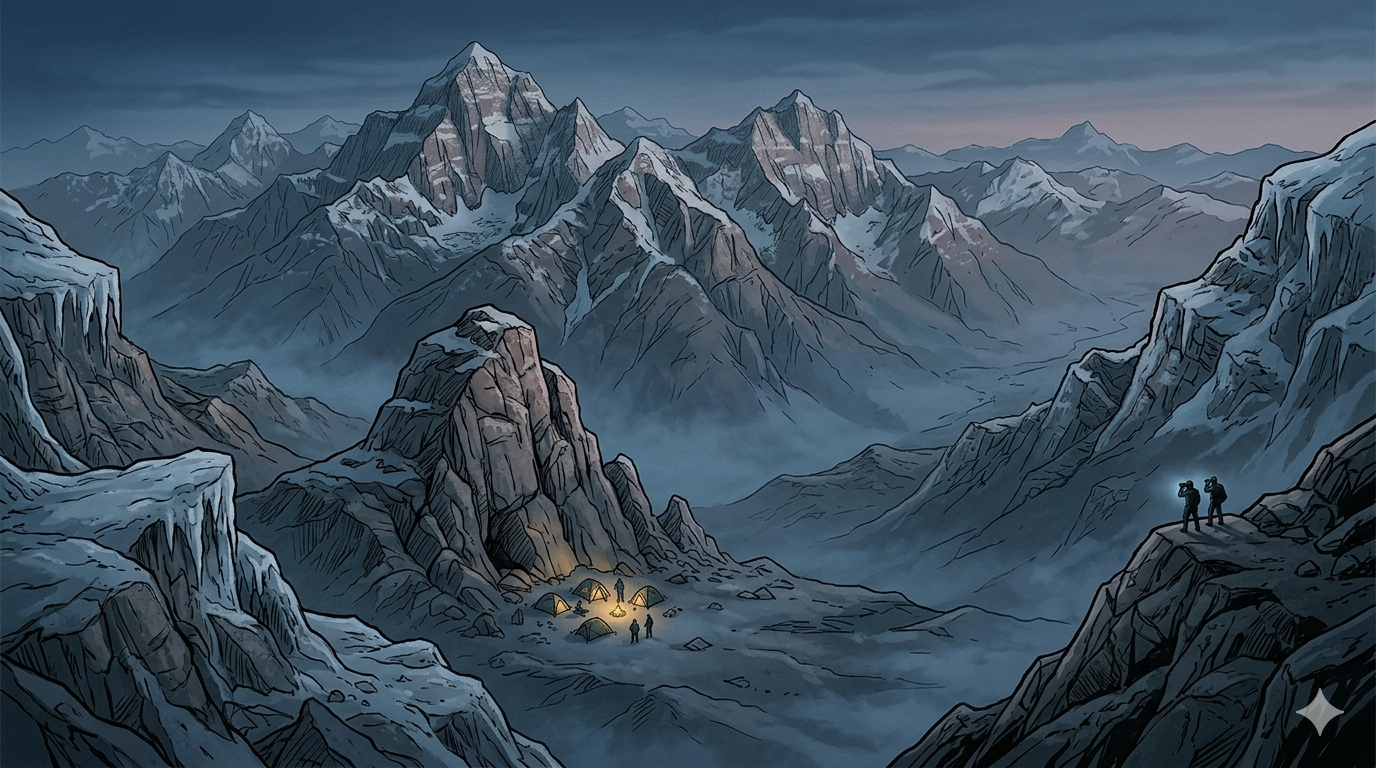
Four American climbers arrive in the mountains of Kyrgyzstan. A region of Karavshin, in the Pamir-Alai range, southwestern Kyrgyzstan. A remote and isolated place, known as the “Yosemite of Central Asia”.
That was the objective.
Explore virgin territory. Open new routes. Climb the Yellow Wall, an imposing formation in the Kara-Su valley that represented exactly what these four were looking for: the unknown.
They were not amateurs.
They were elite athletes sponsored by The North Face, in their prime.
Tommy Caldwell was 22 years old and already one of the greatest promises of world climbing.
Beth Rodden, at just 20 years old, formed with Tommy one of the strongest partnerships of the moment, having achieved important milestones climbing in Yosemite.
Jason “Singer” Smith, also 22, was an experienced climber of remote big walls, obsessive, meticulous.
And John Dickey, 25, the oldest in the group, in addition to climbing, was the photographer in charge of documenting the expedition.
Everything pointed to a perfect expedition. And it was. But not in the way they expected.
The place was a paradise: intact granite walls, endless routes, and rock quality comparable to Yosemite.
There, in the middle of that perfect landscape, something began to take shape that they could not see.
August 12, year 2000. 6:15 in the morning.
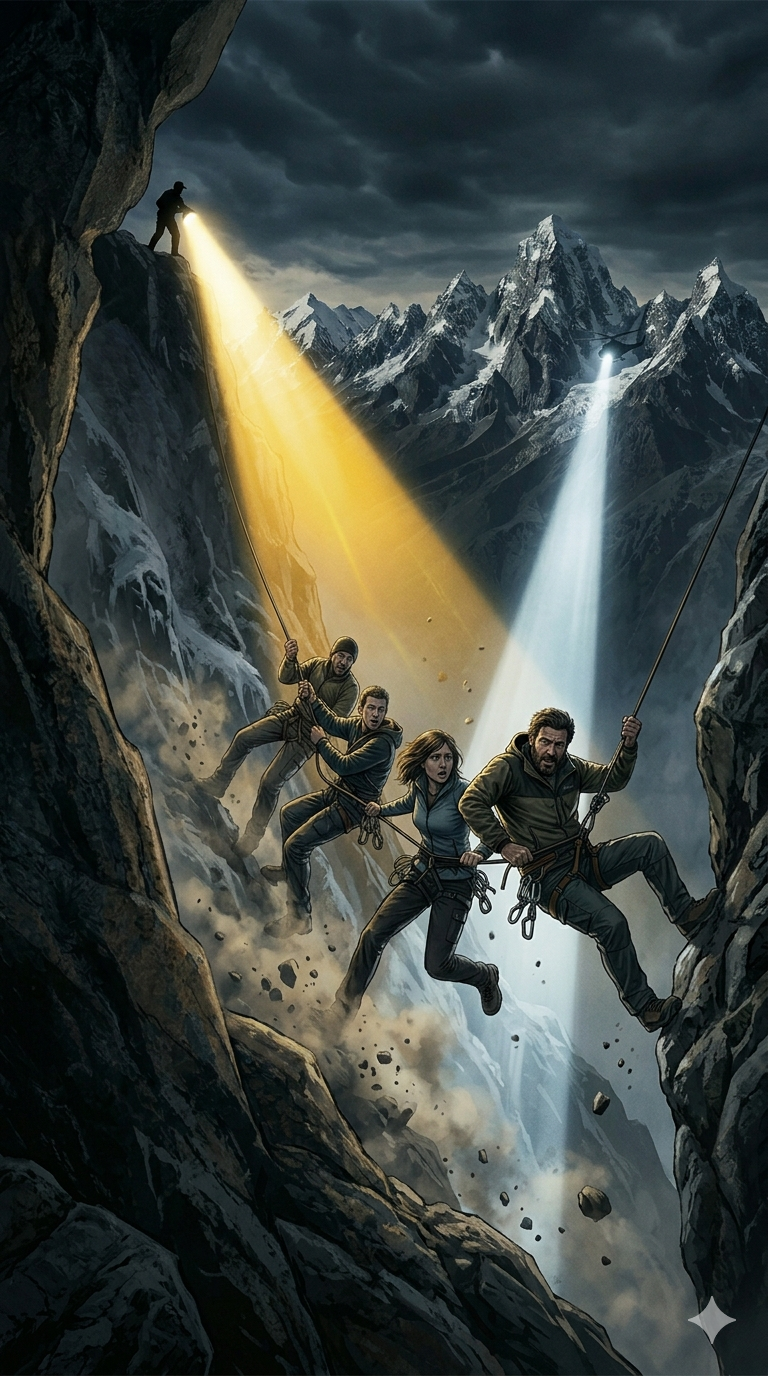
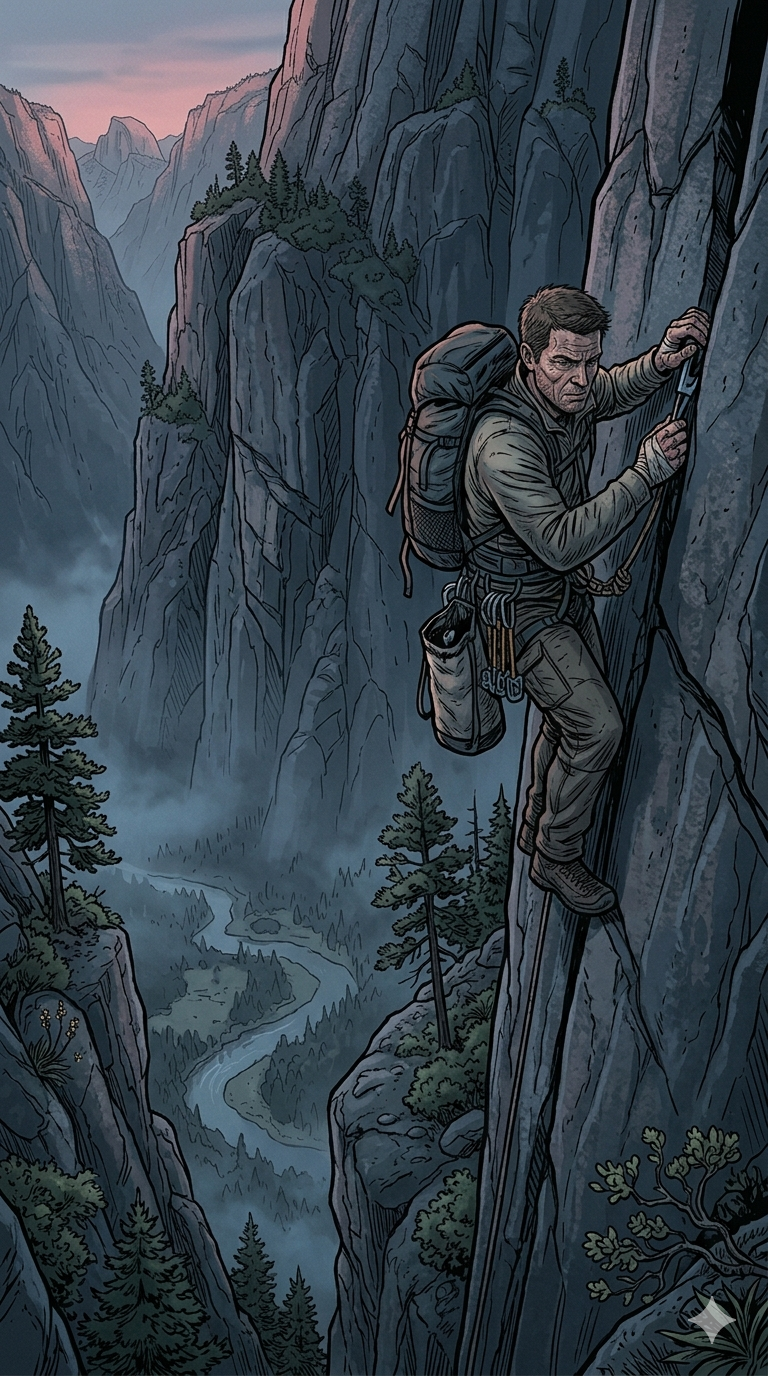
They slept in portaledge, hanging tents anchored directly to the rock, at about 1,000 feet (approximately 305 meters) up on the Yellow Wall. The mountain, which hours before was absolute silence, exploded around them.
They didn’t wake up with the sun. They woke up to gunshots.
Bullets hitting the granite. Fragments falling on them.
Confusion.
Fear.
Within minutes, the expedition ceased to exist.
They were forced down at gunpoint.
At that moment they understood that the danger was not the mountain.
They rappelled down to the base of the mountain, at about 12,000 feet (approximately 3,657 meters) above sea level.
There they understood that the danger was never the wall.
They were waiting for them.
Three men armed with AK-47 rifles and grenades.
They were not thieves.
Their captors were not after money.
They were members of the Islamic Movement of Uzbekistan, a rebel group linked to Al Qaeda that operated in these desolate valleys.
A perfect place to hide.
Or to kidnap.
Without seeking it, four climbers had become trapped in the middle of a real armed conflict.
There was no negotiation. There were no clear rules. Only uncertainty.
The message was immediate.
To prove it, they executed in front of them another hostage: a Kyrgyz army sergeant they already had as a hostage before capturing them.
It was not a threat.
It was a warning.
What came next was not just a kidnapping. It was a constant test of endurance.
For six days, their world was reduced to the basics:
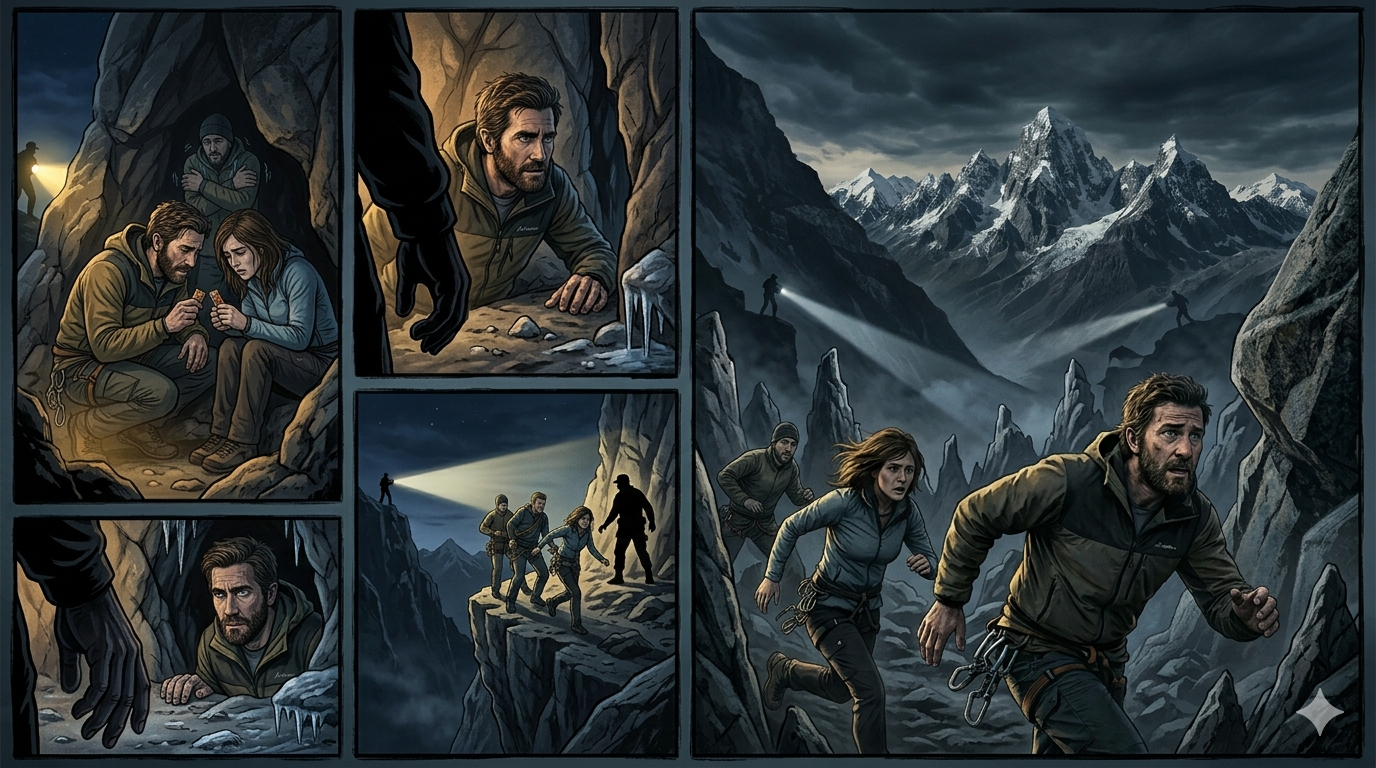
Extreme hunger, they had a single energy bar per day shared among several hostages.
Forced night marches over impossible terrain.
Entire days hidden in frozen holes.
Sub-zero temperatures.
Hunger, exhaustion, and constant fear.
Close encounters between their captors and the army.
The first day set the tone for everything that would come.
No control. No rest. No certainty of being alive the next day.
The moment something changes inside
There is a point, in extreme situations, where the mind changes.
For Tommy Caldwell, that moment came after days without eating, without sleeping, and without knowing if he would still be alive the next day.
Later he would describe it as a strange clarity. As if something reorganized itself inside.
He stopped seeing himself as a victim. He began to see himself as someone who had to act.
Not out of bravery. Out of survival.
And he began to think about one thing:
Get out.
The opportunity appeared on the sixth night, August 17.
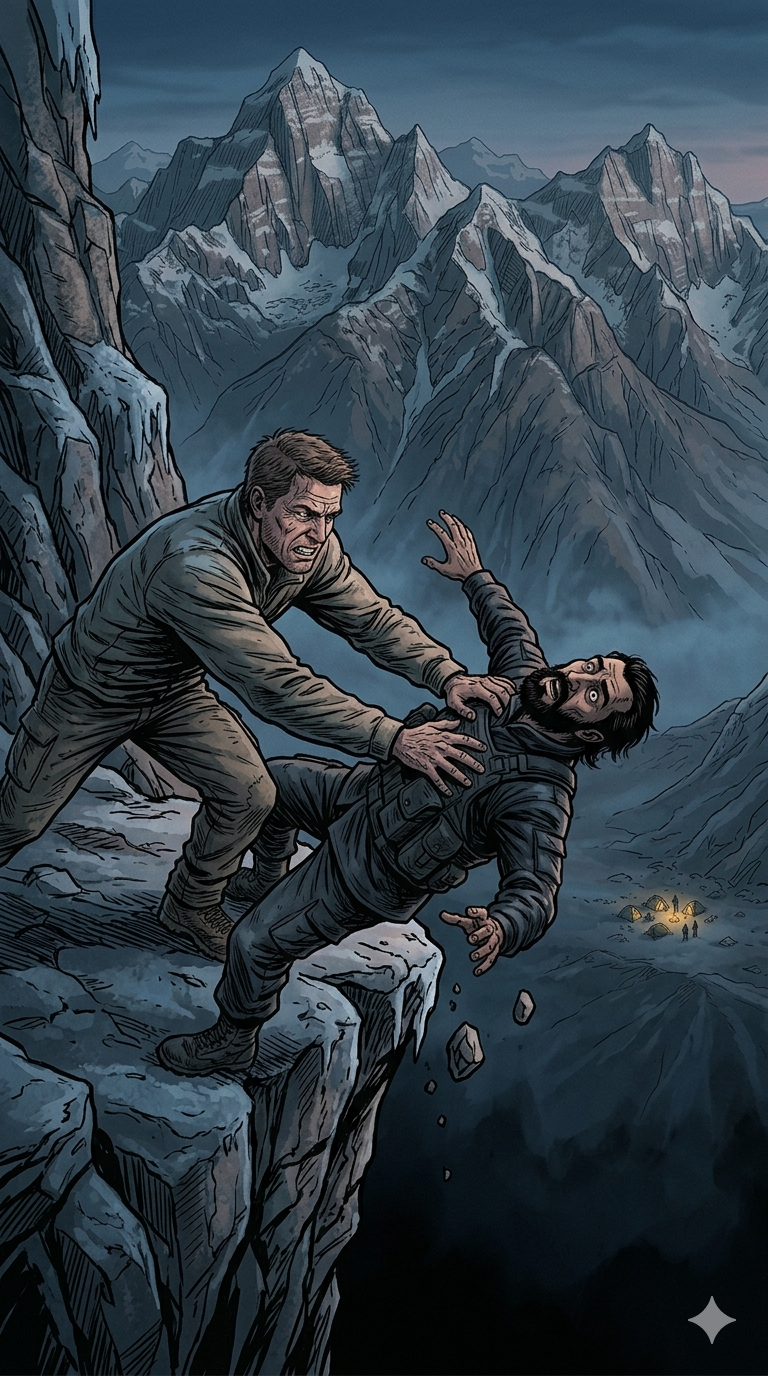
They were on a mountain slope, at about 2,000 feet (approximately 610 meters) up. It was not just any place: a narrow, irregular granite ridge, with deadly drops on both sides.
An absolute void, dark, impossible to measure.
The group leader left to search for food.
Leaving a single guard. A young man of about 20 years named Ravshan Sharipov (known as “Su”).
The moment was not planned in that instant.
But the decision was.
While the guard sought support on a difficult section of rock, Caldwell acted.
Despite starvation he felt a strange force taking over him.
He lunged at him, pulled the strap of his rifle and, using everything he had left, pushed him over the edge of the precipice.
It was a physical, brutal, direct movement.
Without words.
Without margin for error.
It was not a heroic act. It was not a victory. It was a decision made at the absolute limit of what is human.
They saw the body bounce off a ledge.
And then disappear into the darkness.
For a second, no one reacted.
Tommy’s sudden act left the group in a state of shock.
Jason Smith and John Dickey had considered the idea of attacking their captors before.
But not like this.
Not at that moment.
Not in that way.
Beth Rodden, who had completely opposed violence, felt something different: fear.
Not for what had just happened.
But for what could come after.
She thought about the horror of possible reprisals if they were found.
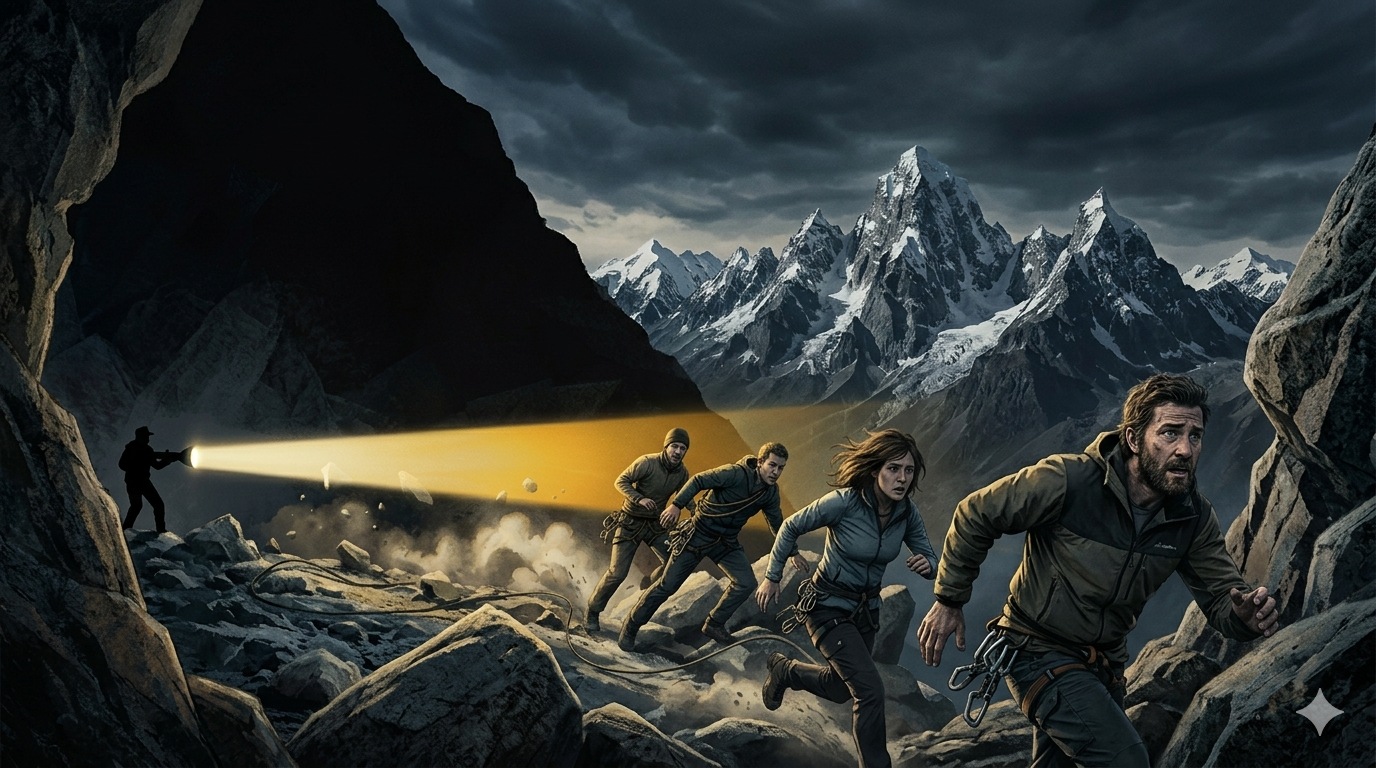
There was no time to think. They had to run.
The escape started there.
Without a plan.
Without a clear direction.
Just move.
Every shadow could be someone pursuing them.
Every noise, a threat.
They ran for 4 hours.
A desperate escape of almost 30 kilometers through the mountain. At night. Without food. With the body on the verge of collapse.
It was hostile terrain, in what they later described as “running inside a haunted house”.
"— John Dickey, on the escapeIt was like running inside a haunted house
The body at the limit.
The mind even more so.
They didn’t know if they were being pursued. They didn’t know if they were heading toward salvation or toward more gunshots.
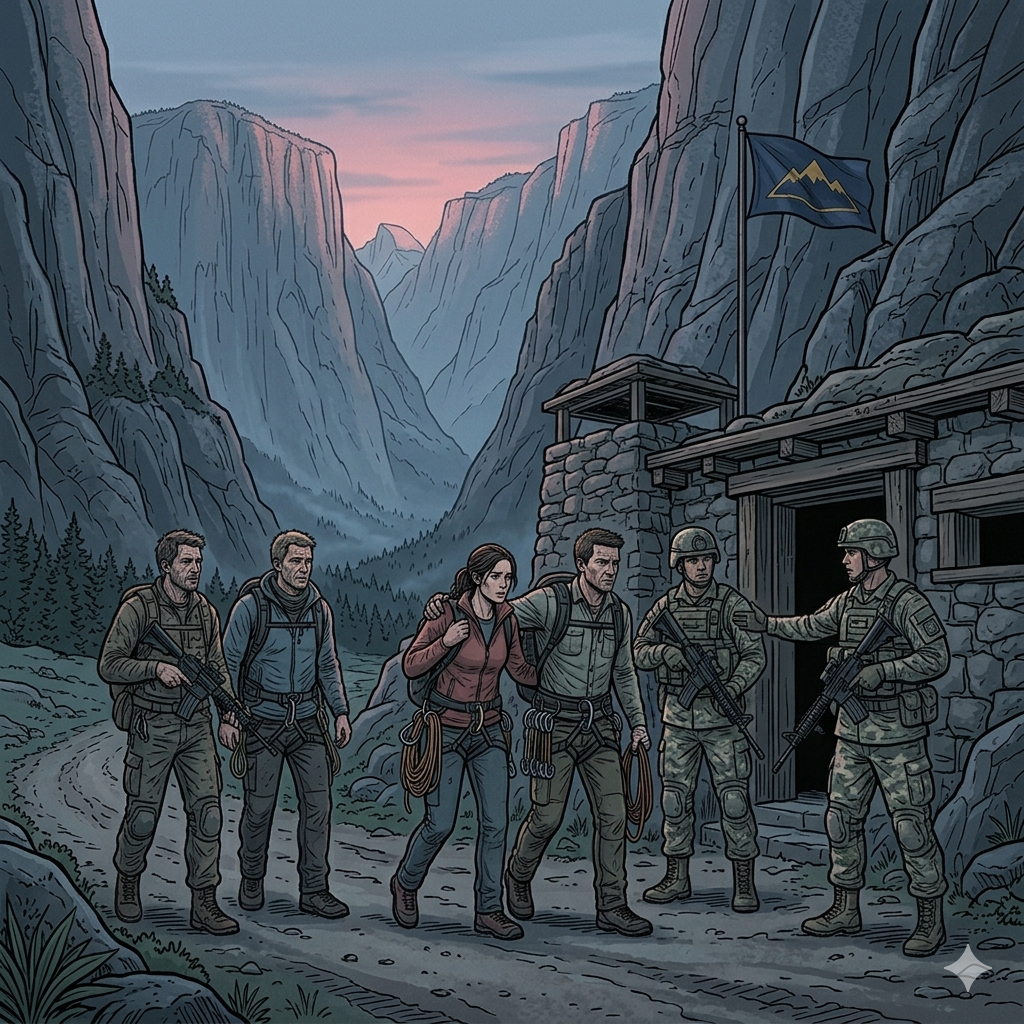
Around 4:00 in the morning on August 18, they reached a Kyrgyz military outpost.
The soldiers, seeing them appear in the darkness, fired warning shots.
They didn’t know who they were.
They could be terrorists.
Until Smith shouted:
"— Smith shoutedWe’re Americans!
And everything stopped.
They survived.
Finally managing to put an end to their nightmare.
But that doesn’t mean they came out intact.
What came after was another kind of battle.
There was doubt. Skepticism. People who didn’t believe their version. Who thought they were exaggerating. That parts were made up.
Until the evidence began to appear.
Equipment pierced by bullets. Destroyed gear. Physical evidence impossible to deny.
And finally, the most unexpected confirmation: one of their captors, “Su” Ravshan Sharipov, survived the fall.
When asked what happened that night, his answer was direct:
"— Ravshan Saripov, on the night of the escapeThey pushed me
No nuances.
No doubts.
Each of them carried that experience in a different way.
Tommy Caldwell channeled everything into climbing, taking it to extraordinary levels.
Beth Rodden faced the weight of trauma for years, later becoming a key voice on mental health.
Because surviving doesn’t mean coming out intact.
It means moving forward with what remains.
The question with no easy answer
This is not just a story of adventure.
It’s not even just a story of survival.
It’s a story about limits.
About what a person can do when there is no other option.
And about that uncomfortable — almost invisible — line that separates the victim from the survivor.
Because when everything disappears, when there are no rules, when only staying alive remains…
how far would you go?